


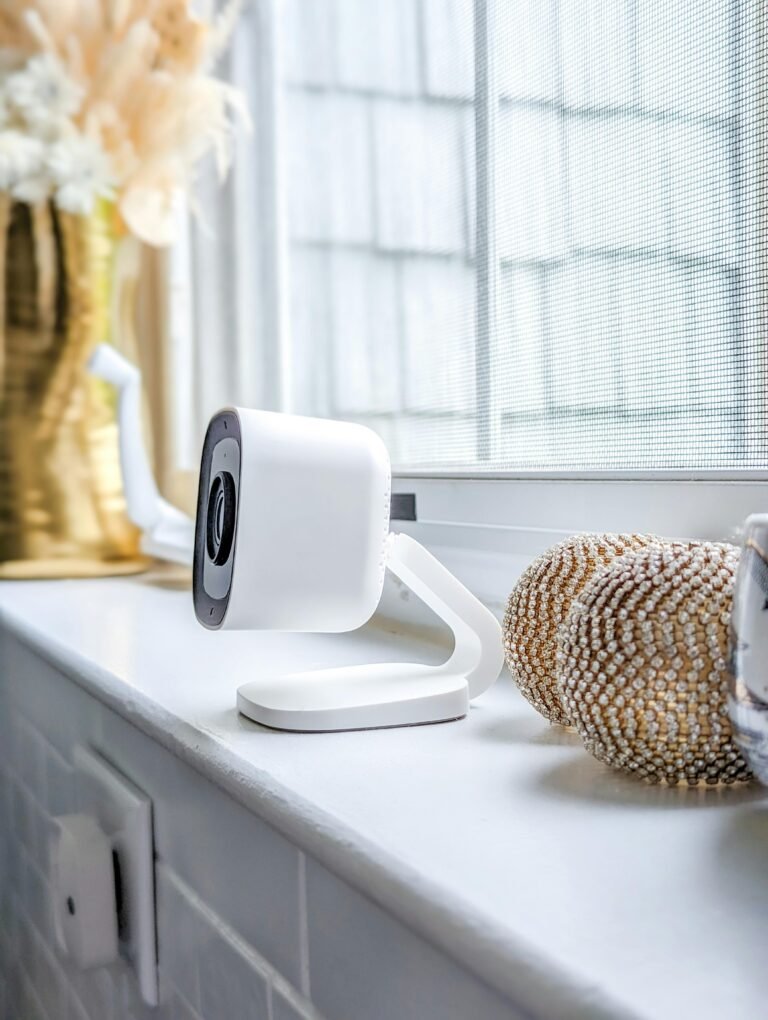
Smart home technology in the UK has moved far beyond novelty gadgets and voice assistants. Today, Smart Home Trends UK reflect a deeper shift in how British households think about comfort, security, energy efficiency, and daily convenience. From London flats to suburban family homes, smart systems are quietly transforming everyday life by saving time, reducing costs, and improving control over the home environment.
Rising energy prices, flexible working patterns, and increased focus on home wellbeing have accelerated the adoption of smart technology across the UK. Homeowners and renters alike are investing in connected solutions that simplify routines while offering long-term value.
This guide explores the most important Smart Home Trends UK, explaining how they work, why they matter, and how British households are integrating them into real life.
Why Smart Home Adoption Is Rising Across the UK
UK households are facing unique challenges — high energy costs, smaller living spaces, unpredictable weather, and busy lifestyles. Smart home technology directly addresses these issues by offering automation, efficiency, and remote control.
Government conversations around energy efficiency and sustainability have also encouraged homeowners to rethink how they heat, light, and secure their homes. According to guidance from the UK government’s energy efficiency resources (https://www.gov.uk/energy), reducing household energy waste is now a national priority — and smart tech plays a major role.
Smart homes are no longer about luxury; they are about control, savings, and future-proof living.
Smart Heating and Energy Management Leading UK Trends
One of the strongest Smart Home Trends UK is intelligent heating and energy control. With gas and electricity prices fluctuating, UK households are actively looking for ways to manage consumption without sacrificing comfort.
Smart Thermostats and Zoned Heating
Smart thermostats learn household routines and adjust heating automatically. Instead of heating the entire home all day, zoned systems allow users to warm specific rooms only when needed. This is especially valuable in UK homes with older layouts or multiple floors.
Smart thermostats also allow remote control via smartphone apps, meaning homeowners can adjust heating while commuting or away on holiday — preventing wasted energy.
The Energy Saving Trust (https://energysavingtrust.org.uk) highlights smart heating as one of the most effective ways UK households can cut energy bills without major renovations.
Smart Lighting for Efficiency and Atmosphere
Lighting has become a major part of modern smart home design. Smart Home Trends UK show a shift toward lighting systems that combine energy efficiency with lifestyle enhancement.
Automated and Adaptive Lighting
Smart bulbs and lighting systems adjust brightness based on time of day, natural light levels, or occupancy. Motion sensors in hallways, bathrooms, and kitchens reduce unnecessary energy use while improving safety.
For UK homes with limited natural daylight during winter months, adaptive lighting can also support mood and productivity by mimicking natural light patterns.
Home Security and Smart Surveillance Growth in the UK
Security remains one of the most influential drivers behind smart home adoption. As package deliveries increase and flexible working becomes common, homeowners want constant awareness and peace of mind.
Smart Cameras, Doorbells, and Sensors
Smart doorbells with cameras allow UK homeowners to see and speak to visitors remotely. Motion-triggered cameras and window sensors provide instant alerts if unusual activity occurs.
These systems integrate easily with mobile devices and often store footage securely in the cloud. The Home Office’s crime prevention guidance (https://www.gov.uk/government/collections/crime-prevention) supports the use of modern security technology as part of safer home environments.
Voice Assistants as the Smart Home Control Hub
Voice assistants have evolved into central control systems for the modern UK smart home. Rather than using multiple apps, homeowners now rely on voice commands to manage lighting, heating, reminders, and entertainment.
Hands-Free Convenience for Busy UK Lifestyles
From setting cooking timers to adjusting heating while multitasking, voice assistants improve accessibility and efficiency. They are especially useful in kitchens, living rooms, and home offices — spaces where hands-free control saves time and effort.
This trend reflects how UK homes are becoming more integrated ecosystems, not just collections of devices.
Smart Kitchens and Appliances in British Homes
The kitchen is rapidly becoming one of the smartest rooms in UK households. Smart Home Trends UK show increased adoption of connected appliances that improve efficiency and reduce waste.
Smart Fridges, Ovens, and Dishwashers
Smart appliances can monitor usage, suggest maintenance, and optimise energy consumption. Some systems notify users when groceries are running low or when appliances are operating inefficiently.
With sustainability and cost awareness growing, these appliances support smarter consumption habits — aligning with UK environmental priorities.
Home Office Smart Tech Reflecting UK Work Trends
Remote and hybrid working have reshaped UK homes permanently. Smart home technology now plays a major role in productivity and comfort.
Smart Plugs and Environment Control
Smart plugs allow users to control devices remotely and track energy usage. Combined with smart lighting and temperature control, home offices can be optimised for focus and comfort.
British workers increasingly prioritise ergonomic, efficient home setups that reduce distractions and energy waste.
Smart Home Technology for Elderly and Accessibility Needs
Another important Smart Home Trend UK is the use of smart technology to support elderly residents and individuals with accessibility needs.
Assisted Living Through Smart Devices
Voice-controlled systems, automated lighting, and emergency alert sensors help maintain independence while ensuring safety. Families can monitor wellbeing remotely without intrusive supervision.
UK healthcare and social care discussions increasingly recognise smart homes as part of long-term independent living strategies.
Sustainability and Eco-Conscious Smart Homes
Sustainability is deeply woven into UK smart home adoption. British consumers are prioritising technologies that reduce environmental impact while lowering costs.
Energy Monitoring and Water-Saving Tech
Smart meters, energy dashboards, and leak-detection systems help households track and reduce consumption. Water-monitoring devices are gaining traction, especially in areas where conservation is encouraged.
The UK’s focus on reducing carbon emissions makes eco-smart homes both socially responsible and financially smart.
Privacy, Data Security, and Trust Concerns in the UK
As smart homes become more connected, UK consumers are increasingly conscious of privacy and data protection.
GDPR and Smart Home Compliance
UK households expect smart devices to comply with GDPR standards, ensuring personal data is protected. Transparency, encrypted communication, and secure storage are key factors influencing purchasing decisions.
Trust is now just as important as innovation when choosing smart home technology.
Future Outlook of Smart Home Trends UK
Looking ahead, Smart Home Trends UK point toward deeper integration rather than more gadgets. Homes will become systems that adapt intuitively to residents’ habits, health needs, and energy goals.
AI-driven automation, predictive maintenance, and seamless cross-device communication will define the next phase of smart living in Britain.
Frequently Asked Questions – Smart Home Trends UK
What is the most popular smart home trend in the UK right now?
Smart heating and energy management systems lead adoption due to rising energy costs and efficiency concerns.
Are smart homes expensive to set up in the UK?
Many smart devices are affordable and modular, allowing households to start small and expand gradually.
Do smart homes actually save money?
Yes. Smart thermostats, lighting, and energy monitoring significantly reduce wasted consumption over time.
Are smart home devices secure in the UK?
Reputable brands follow UK data protection standards, but users should always secure networks and update software regularly.
Can renters use smart home technology?
Absolutely. Many smart devices are portable, non-invasive, and suitable for rental properties.
Will smart homes become standard in the UK?
Yes. New builds increasingly include smart infrastructure, and consumer demand continues to rise.
Final Thoughts
Smart homes in the UK are no longer futuristic concepts — they are practical solutions responding to real challenges. From energy efficiency and security to comfort and sustainability, Smart Home Trends UK reflect a smarter way of living that aligns with modern British values.
As technology continues to evolve, smart homes will become less about control and more about effortless living, adapting quietly in the background to support healthier, safer, and more efficient lifestyles.

